News: August 2026
The Value of Short-Term Pain Relief
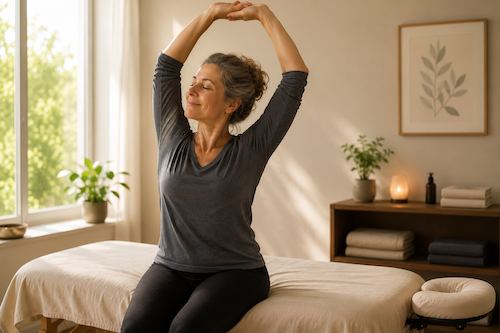 A client seemed disappointed as he reported that his chronic pain was gone for only two days following his massage session. "When was the last time that you had two days without pain?" I asked. He paused, then grinned and said, "I can't remember."
When you live with pain day in and day out, two days, one day, or even a few hours of relief is not nothing. This is because chronic pain is not simply a reflection of what's happening in our muscles or joints. Pain is produced by the nervous system and shaped by biological, psychological, and social factors, including genes, past experiences, overall health, lifestyle, emotions, environment, and relationships. When pain persists over time, the nervous system becomes sensitized, amplifying pain and lowering the threshold at which it's felt. This is where temporary relief becomes powerful. Even brief pain reduction changes the signal. When pain decreases, even temporarily, that ongoing pain loop is interrupted.
Massage and other calming, pleasurable sensory experiences can influence how the nervous system processes pain, helping the brain interpret incoming sensory information as less threatening and making pain feel less intense for a period of time. The system isn't fixed after one session, but pain volume can begin to dial down as the nervous system experiences less threat and more ease.
When your pain decreases, even temporarily, you can often do things that are otherwise difficult or impossible, such as move more freely, walk a little farther, do your physical therapy exercises, and sit, stand, or sleep more comfortably. This is central to progress.
Movement, activity, and gradual tissue loading during recovery have the potential to improve long-term outcomes in chronic pain - or at least reduce associated suffering and increase functionality and confidence. But exercise is difficult, if not impossible, with high levels of pain. Temporary relief helps your body feel safe enough to move.
Consistent safe, comfortable movement and touch may gradually help the nervous system become less protective over time. This is supported by neuroplasticity - the nervous system's ability to adapt and change in response to repeated experiences. It's similar to breaking a habit and replacing it with a new one. It takes time, repetition, and consistency. We don't start out playing Beethoven. We begin with scales.
It's plausible that over time, repeated experiences of soothing sensory input and comfortable movement can lead to temporary relief lasting longer, flare-ups becoming less intense and less frequent, faster recovery after aggravation, and increased tolerance for movement and activity. For many of my clients, temporary relief evolved into more meaningful, lasting change.
Recovery isn't built from one dramatic breakthrough. It's built from thousands of small opportunities to move, function, and live with a little less pain. One massage session, one short walk, one good night's sleep, one successful exercise session, one flare-up that settles a little faster than the last. Each may seem insignificant on its own, but together they gradually teach your nervous system that you're safe. So embrace temporary relief. It matters.
Reference: Bialosky et al., 2009
Feel Stiff After Sitting?
Self-Massage & Stretch Before & After Standing Up
Ever stand up after sitting for a while and feel stiff, achy, or even a little stuck? Instead of pushing through it, try this simple routine, starting before you stand up.
In this video, I'll guide you through gentle movements and self-massage techniques you can do both in your chair, and just after standing to:
- Reduce stiffness and aches
- Improve mobility and ease of movement
- Get blood flowing again after prolonged sitting
- Help you stand and walk without that "limping" feeling
You don't need to do the full routine every time - just use the parts that feel best for your body.
Try it after long periods at your desk, on the couch, or anytime you've been sitting too long.
What's new with me ...
That smoke from the Canadian forest fires was crazy! The NYC skyline looked a bit surreal for a few days. Sienna is happy to be back outside in the (sort of) fresh air.
We (AKA Jesse) are busy planning our August trip to London! It's Sienna's first big trip and we're all very excited.

Call or text me today
917-359-8641
I'd be happy to answer
any questions you have!
Massage@Rachel-Richards.com
Subscribe to my Youtube channel!


Available now!
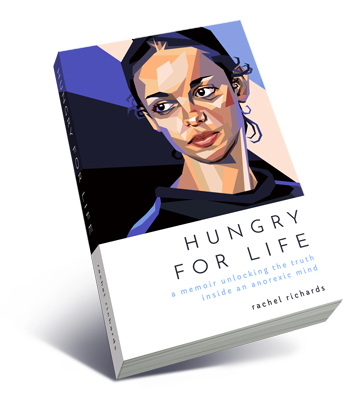
Available now!
Did you know?